
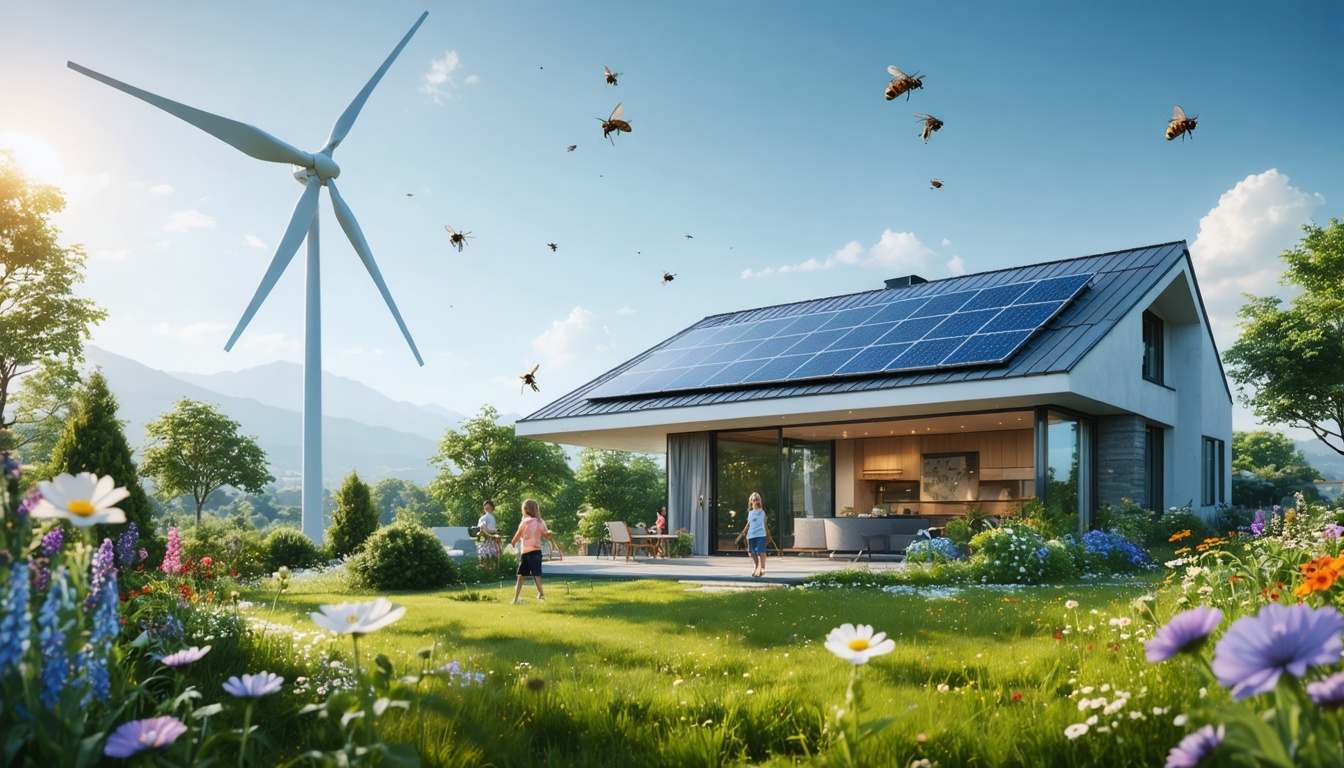
The Environmental Benefits of Choosing Renewable Energy at Home
Switching to renewable energy at home can contribute to a reduction in air pollution and promote environmental sustainability. By utilizing resources such as solar or wind energy, homeowners can decrease their reliance on fossil fuels, which are known to emit greenhouse gases and other pollutants. This transition not only aims at reducing emissions but also helps in conserving finite resources. Using renewable energy sources has the potential to improve public health by decreasing the amount of air contaminants produced from traditional energy generation methods. Human exposure to pollution is associated with various health issues, and by minimizing pollution, renewable energy can contribute positively to community health outcomes. The cumulative effect of individual households adopting renewable energy sources can have significant impacts on local and national levels. As more households shift towards renewable energy, it can drive demand for cleaner technologies and contribute to a broader shift in energy production. This collective action can support the transition towards a more sustainable energy economy. In summary, choosing renewable energy at home is not only a cost-effective decision in the long run, but it also plays a crucial role in environmental protection and public health improvement. The benefits extend beyond personal gains, influencing the health of larger communities and contributing to global sustainability efforts.
Understanding Renewable Energy and Its Sources
A thorough comprehension of renewable energy requires an examination of its origins and its differences from traditional energy sources. Primary renewable resources include wind, Solar Panels in East Providence, geothermal, hydropower, and organic waste. These sources provide viable options for electricity generation with considerably lower emissions of air pollutants when compared to fossil fuels.
Renewable energy sources are inherently replenishable, and their implementation aligns with global Sustainable Development Goals outlined by the United Nations as well as the objectives established by the Paris Agreement.
As of 2023, approximately 50% of the energy sector still relies on oil and gas; however, the renewable energy sector has experienced growth which has been associated with job creation within the clean energy economy.
Additionally, renewable energy presents economically viable alternatives for electricity generation. This shift is significant not only for meeting present energy demands but also for shaping the energy systems for future generations.
Reducing Greenhouse Gas Emissions Through Clean Power
Choosing renewable energy for residential use can significantly reduce greenhouse gas emissions linked to electricity consumption. The power generation sector is a major source of global greenhouse gas emissions, which contribute substantially to climate change.
Transitioning to renewable energy sources, such as wind and solar, is crucial for promoting the clean energy transition necessary to meet objectives set by the United Nations Sustainable Development Goals and the Paris Agreement.
Beyond their environmental advantages, renewable energy sources can also offer economic benefits compared to traditional fossil fuels over the long term.
By transitioning to clean energy alternatives, households can help decrease dependence on fossil fuels, fostering a more sustainable energy framework. This transition is vital for addressing ongoing climate issues and working towards a future with net-zero emissions.
Improving Air Quality and Public Health
The generation of electricity using fossil fuels is a significant contributor to air pollution, which is linked to various public health issues. Recent studies indicate that approximately 99 percent of the global population lives in areas with air quality that does not meet health-based standards.
Transitioning to renewable energy sources, such as wind and solar, has the potential to decrease emissions related to air pollution, thereby improving overall air quality.
Reports from the United Nations suggest that reducing dependence on fossil fuels could lead to a decrease in the number of premature deaths attributed to poor air quality.
The shift towards renewable energy not only has public health implications but also aligns with the Sustainable Development Goals and the commitments established under the Paris Agreement.
This transition is necessary for fostering a sustainable environment and securing public health benefits in both the short and long term.
Economic Savings for Households and Communities
For many households, transitioning to renewable energy is a strategic approach to managing energy costs and promoting financial sustainability. Recent analyses show that renewable electricity, especially from wind and solar sources, has become increasingly cost-competitive, with data indicating that over 90% of new installations are less expensive than fossil fuel-based energy sources.
Additionally, the United Nations estimates that global savings could reach up to $4.2 trillion by 2030, supporting frameworks like the Sustainable Development Goals and the Paris Agreement.
The move towards renewable energy can lead to lower energy bills and reductions in the price fluctuations commonly associated with fossil fuels. Furthermore, localized energy production has the potential to foster community development and job creation.
Employing technologies that generate zero emissions contributes to a more reliable energy supply and offers long-term cost-effective energy solutions for both present and future generations. This transition not only aligns with environmental goals but also provides tangible benefits for households and communities.
Job Creation and Workforce Opportunities
Job creation is a significant factor in the growth of renewable energy adoption. As of 2023, the renewable energy sector is projected to create around 16.2 million jobs worldwide, surpassing employment levels within the fossil fuel sector.
Research indicates that investments in renewable energy typically yield a more favorable job creation ratio; for each dollar invested in renewable projects, approximately three times as many jobs are generated in comparison to fossil fuel investments.
Additionally, investments in cleaner energy sources and low-emission electricity play a vital role in facilitating sustainable development.
These efforts are consistent with global initiatives such as the Paris Agreement and the Sustainable Development Goals. As funding increases for renewable energy initiatives, the workforce is likely to transition toward safer and more economically viable job opportunities.
This transition is important not only for driving economic development but also for fostering environmental sustainability.
Enhancing Energy Security and Access
The transition towards local renewable energy generation is a notable development in enhancing energy security and access. Traditionally, electricity has been delivered to consumers through large-scale energy grids. However, the integration of renewable sources such as wind and solar presents several benefits. By utilizing these local renewable energy sources, consumers can decrease their dependence on fossil fuels, which may lead to more stable and potentially cost-effective electricity supplies.
Renewable energy sources, including solar and wind, are inherently sustainable and generally produce fewer pollutants compared to traditional energy sources, resulting in lower air emissions and greenhouse gas outputs. This shift toward cleaner energy not only aids in addressing climate change concerns but also enhances the reliability and resilience of energy systems.
According to reports from the United Nations, nearly half of the global population lives in regions where decentralizing energy production is correlated with both rapid climate action and progress towards the Sustainable Development Goals.
This underlines the importance of promoting local renewable energy generation as an essential component in pursuing broader environmental and social aims. For additional insights into this topic, resources like the Science Myth Busters Reports may prove useful.
Supporting Biodiversity and Natural Ecosystems
Renewable energy is critically important not only for its potential to reduce greenhouse gas emissions but also for its role in supporting biodiversity and natural ecosystems. The deployment of renewable technologies such as wind and solar power can lead to a significant reduction in the reliance on fossil fuels, which are responsible for a considerable portion of global greenhouse gas emissions.
Renewable energy generation typically produces lower levels of air pollutants compared to conventional energy sources. Furthermore, these projects often require less land and water than fossil fuel extraction and combustion processes, resulting in a smaller ecological footprint.
These characteristics align with the United Nations Sustainable Development Goals that emphasize the need for sustainable environmental practices.
Various initiatives and programs, such as those focused on Sustainable Development and biodiversity conservation, highlight the importance of accelerating the transition to renewable energy sources. Transitioning to these energy forms can have multiple benefits, including job creation in new industries, habitat restoration through reduced environmental degradation, and improved public health outcomes due to decreased pollution levels.
Such advantages underscore the practicality of integrating renewable energy into broader strategies aimed at conserving biodiversity and maintaining healthy ecosystems.
Increasing Resilience to Climate Change
Integrating renewable energy systems into residential areas can improve a community's ability to cope with the impacts of climate change. Renewable energy sources, including wind and solar power, produce significantly fewer greenhouse gas emissions compared to traditional fossil fuel-based electricity generation. The United Nations emphasizes that a reduction of approximately 50% in emissions is necessary to mitigate the severe effects associated with climate change.
Investing in renewable energy alternatives not only contributes to environmental sustainability but also bolsters economic resilience. Estimates indicate that the transition to renewable energy could yield savings of up to $4.2 trillion annually.
Additionally, implementing renewable energy initiatives has the potential to create job opportunities, improve energy affordability and safety, and gradually decrease dependence on fossil fuels. This alignment with the Sustainable Development Goals supports efforts toward fostering an economically and environmentally sustainable future.
Steps to Adopt Renewable Energy at Home
Transitioning to renewable energy in the home involves a pragmatic approach that can offer both environmental and economic advantages. A primary consideration is the installation of solar panels, which have become more affordable in recent years. Current pricing indicates that solar energy is approximately 41 cents less costly than conventional fossil fuel energy sources. This development is in line with international initiatives like the Paris Agreement and various Sustainable Development Goals aimed at reducing carbon emissions.
In cases where individuals are unable to install solar panels due to geographical restrictions or structural limitations, alternatives exist. Community solar projects provide a solution, as do options for purchasing electricity from wind and solar providers. These alternatives play a role in decreasing greenhouse gas emissions and addressing climate change challenges.
Moreover, prioritizing energy-efficient appliances can significantly reduce overall energy consumption, resulting in lower utility bills over time. Local rebate programs and incentives can further improve the financial feasibility of integrating renewable technologies.
These initiatives are supported by various organizations, including the United Nations, which highlight their potential to contribute to job creation within the clean energy sector and promote a more sustainable energy infrastructure.
Conclusion
Choosing renewable energy for residential use can lead to a reduction in energy costs while simultaneously contributing to environmental sustainability. Transitioning to renewable sources like solar or wind power can significantly reduce greenhouse gas emissions, which are a key factor in climate change. Utilizing renewable energy can also have implications for public health by decreasing air pollutants associated with fossil fuel consumption. This shift can contribute to improved air quality and public health outcomes. Furthermore, investment in renewable energy technologies is often associated with innovation in related sectors, leading to economic growth and job creation in local communities. Strengthening energy security is another benefit, as diversifying energy sources can reduce dependence on imported fuels and enhance resilience against energy supply disruptions. In summary, the integration of renewable energy into home energy systems can lead to multiple environmental and socioeconomic benefits, fostering a more sustainable future alongside the potential for economic development.
